



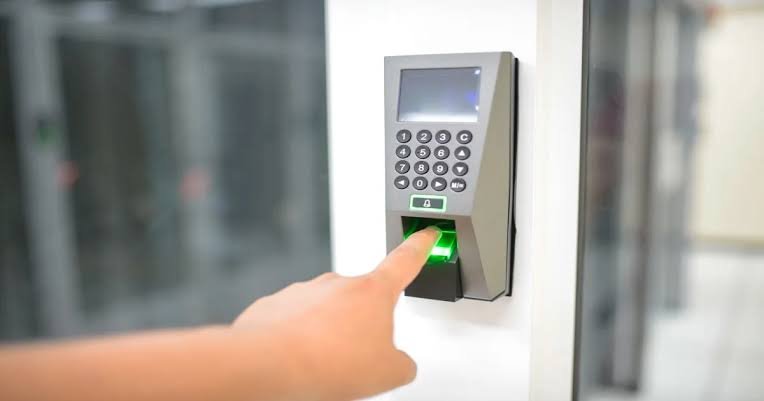
Modern online casino platforms rely on automated facial biometric screening and optical character recognition (OCR) to streamline identity verification. While automated identity checks accelerate account registration and deposit authorization, technical glitches during document scanning can cause sudden verification rejections. Encountering unexpected biometric KYC verification holds can pause withdrawal requests and delay real-money cashouts. Understanding how automated screening algorithms evaluate digital ID scans and facial liveness enables players to resolve document errors swiftly and secure fast payouts.
Achieving seamless document approval requires preparation and attention to technical detail, much like sports fans following key milestones during the Milwaukee Brewers NL Central title run to track championship momentum. In iGaming compliance, automated verification software processes thousands of data points across identity documents and selfie video captures within seconds. When minor capture flaws disrupt this automated audit, system algorithms default to security holds to prevent identity fraud. Resolving common capture errors ensures your identity profile clears compliance checks without manual review delays.
Biometric Know Your Customer (KYC) screening serves a dual purpose: protecting player accounts from unauthorized access and satisfying stringent global anti-money laundering regulations. Automated systems verify document authenticity by inspecting embedded security features, machine-readable zones (MRZ), and microprinting. Simultaneously, facial recognition algorithms compare live camera captures against stored document photographs to confirm account ownership. Recognizing how these security systems operate empowers players to navigate identity checks with confidence.
Educational resources like blog.betya routinely explain how transparent compliance guidelines and proper document preparation enhance banking convenience and withdrawal speeds. Overcoming verification hurdles involves addressing glare and edge-cropping errors, resolving camera liveness timeouts on older hardware, and updating profiles after name changes. Mastering these technical steps protects your gaming account and guarantees uninterrupted access to fast payment methods.
Fixing Capture Glare and Biometric KYC Verification Holds
Mobile document capture glare is the leading cause of automated optical character recognition rejections during identity verification. When smartphone camera flashes reflect off laminated driver’s licenses or plastic passport pages, bright hotspots obscure critical text fields. OCR algorithms cannot read washed-out text, causing the software to flag the document as incomplete or fraudulent.
Edge-cropping errors also trigger immediate system rejections during automated ID scanning. If a mobile photo cuts off any corner or border of an identity document, security algorithms interpret the missing edge as potential tampering. Automated verification systems require full view of all four document corners to verify physical dimensions and layout integrity.
To achieve clean ID captures, place your document on a flat, dark, non-reflective surface under indirect natural lighting. Turn off your camera flash to eliminate surface reflections, and position your smartphone directly above the document. Ensuring all text, microprinting, and machine-readable codes remain crisp and fully un-cropped allows automated OCR software to process your identity instantly.
High-resolution PDF scans or raw uncompressed mobile photos provide the best processing results for compliance software. Avoid uploading screenshots or heavily compressed images, as pixelation distorts subtle security features. Submitting high-quality, full-frame document captures prevents automated flags and eliminates unnecessary biometric KYC verification holds.
Resolving Liveness Timeouts and Biometric KYC Verification Holds
Facial liveness verification requires players to complete dynamic movements—such as blinking, smiling, or turning their head—in front of a live camera. This process prevents fraudsters from using static photographs or video replays to bypass identity checks. However, legacy smartphone hardware and slow mobile browser connections often suffer from processing latency during liveness streams.
Camera frame drops or browser memory limitations on older mobile devices can cause liveness software to time out before capturing complete facial data. When video feeds freeze or lag during movement prompts, automated compliance engines register the attempt as a failed liveness test. Failed liveness checks automatically trigger security holds on pending withdrawal requests.
Overcoming hardware-related liveness failures requires optimizing your device environment before initiating the facial scan. Close all background applications to free up system memory and switch from cellular data to a stable, high-speed Wi-Fi network. Ensure your face is evenly lit from the front, avoiding harsh background lighting that casts shadows across your features.
If liveness timeouts persist on legacy smartphone hardware, attempt completing the verification process via a desktop web browser equipped with an HD webcam. Alternatively, updating your mobile browser to the latest version improves WebRTC camera integration and video frame rates. Resolving liveness capture issues ensures rapid identity confirmation and prevents biometric KYC verification holds.
Updating Identity Profiles Following Document Renewals
Renewing a driver’s license, receiving a new passport, or undergoing a legal name change requires updating your registered casino account profile. Attempting to execute a real-money withdrawal using an expired document triggers instant compliance holds at the cashier screen. Automated payment systems verify expiration dates against external databases before releasing funds to payment providers.
When updating an identity profile following legal name modifications, such as marriage or deed poll changes, players must submit supporting legal documentation. Providing updated government identification alongside official marriage certificates or legal name change decrees establishes an unbroken audit trail. Mismatched names between payment accounts and player profiles cause severe payment verification freezes.
Proactively contacting customer support before submitting a withdrawal request on a renewed identity profile prevents administrative holds. Uploading new document scans directly through secure account management portals allows compliance officers to update your verified profile details. Keeping your account credentials synchronized with current official identification preserves your VIP status and withdrawal limits.
Maintaining updated document copies in your personal digital vault allows for quick re-verification whenever compliance policies require periodic account refreshes. Reliable operators enforce routine compliance updates to maintain regulatory licensing standards. Staying proactive with document renewals guarantees continuous access to fast digital payment rails.
Payment Speed and Verification Realities for Cashout Execution
Clearing facial biometric KYC screening successfully unlocks the full benefits of modern online banking convenience and rapid cashouts. Online casino enthusiasts expect transparent withdrawal policies, flexible banking methods, and fast payout processing. Completing identity verification ensures your requested withdrawals move directly to processing teams without administrative clearance holds.
Fast payment methods, including digital wallets like Skrill, Neteller, and PayPal, alongside modern cryptocurrency networks, offer sub-hour payout execution once verified. Traditional bank wires and credit card refunds require longer clearing times due to intermediary banking processing queues. Selecting high-speed payment options ensures your cleared balance transfers immediately into usable funds.
Maintaining payment method consistency further accelerates cashout execution across all digital channels. Requesting a payout to a payment method that matches the exact name on your verified identity profile bypasses secondary fraud checks. Mismatched payment accounts trigger manual risk audits that extend pending withdrawal periods.
Reviewing platform transaction caps and fee policies allows you to maximize the value of your gaming withdrawals. Choosing platforms with high withdrawal limits, transparent verification rules, and zero transaction fees guarantees a superior banking experience. Combining verified identity profiles with efficient digital wallets creates a reliable, hassle-free gaming routine.
 Practical Checklist to Eliminate Biometric KYC Verification Holds
Preventing identity verification delays requires a structured preparation strategy before initiating document uploads. Following a clear operational checklist eliminates technical submission errors and accelerates account authorization.
First, photograph identity documents under bright, indirect light on a dark background without flash glare. Second, ensure all four corners and borders of your physical ID card remain completely visible within the frame. Third, optimize camera performance by closing background applications and connecting to high-speed Wi-Fi before starting liveness scans.
Fourth, update expired documents or legal name changes with compliance support before requesting large withdrawals. Fifth, choose digital wallet or instant banking methods to enjoy rapid payout delivery once your account clears verification. Adhering to these practical steps protects your account status and eliminates biometric KYC verification holds.
Responsible Account Management and Secure Gaming
Managing account verification and identity profiles should always occur within a transparent framework of responsible gambling. Security procedures like biometric facial checks exist to protect your personal capital and prevent unauthorized account access. Setting strict deposit limits and session time caps ensures your gaming remains safe, structured, and enjoyable.
Treat identity verification as an essential security feature that protects your digital assets and gaming balance. Never share account login credentials or verification codes with third parties, as doing so compromises account security. Keeping your personal verification data private preserves the integrity of your digital wallet and gaming accounts.
Ultimately, resolving document rejections in automated facial biometric screening requires technical preparation, clear lighting, and updated identity records. By eliminating glare, optimizing liveness camera feeds, and updating expired profile details, you ensure uninterrupted financial flexibility. Enjoy the convenience of modern online gaming, practice responsible account management, and secure your payouts with confidence.