





Every spin of the roulette wheel presents an enticing display of motion, yet strict geometry governs every outcome. Understanding roulette house edge math allows smart casino players to separate superficial table design from raw statistical reality. At first glance, European, American, and French tables look identical to casual observers. Each variant features familiar red and black pockets numbered from one through thirty-six alongside standardized payout structures. However, subtle alterations in the green zero pockets dramatically shift the casino statistical advantage. Consequently, selecting the wrong wheel doubles your long-term losses without providing extra entertainment value. Knowing the underlying arithmetic is the first step toward disciplined bankroll preservation.
Predicting sporting outcomes and spinning casino wheels both involve navigating strict probability distributions. When a celebrated athlete finally breaks a long trophy drought, like when harry kane wins prestigious football accolades, supporters celebrate the triumph over historical adversity. However, unlike unpredictable sports matches where individual brilliance can overturn expectations, casino games adhere to unchanging mathematical laws. Every roulette wheel operates under unyielding physical design and rigid probability tables. Therefore, calculating expected return across different table formats helps players make informed, analytical decisions at the tables.
The Single Zero Dynamic: European Roulette House Edge Math
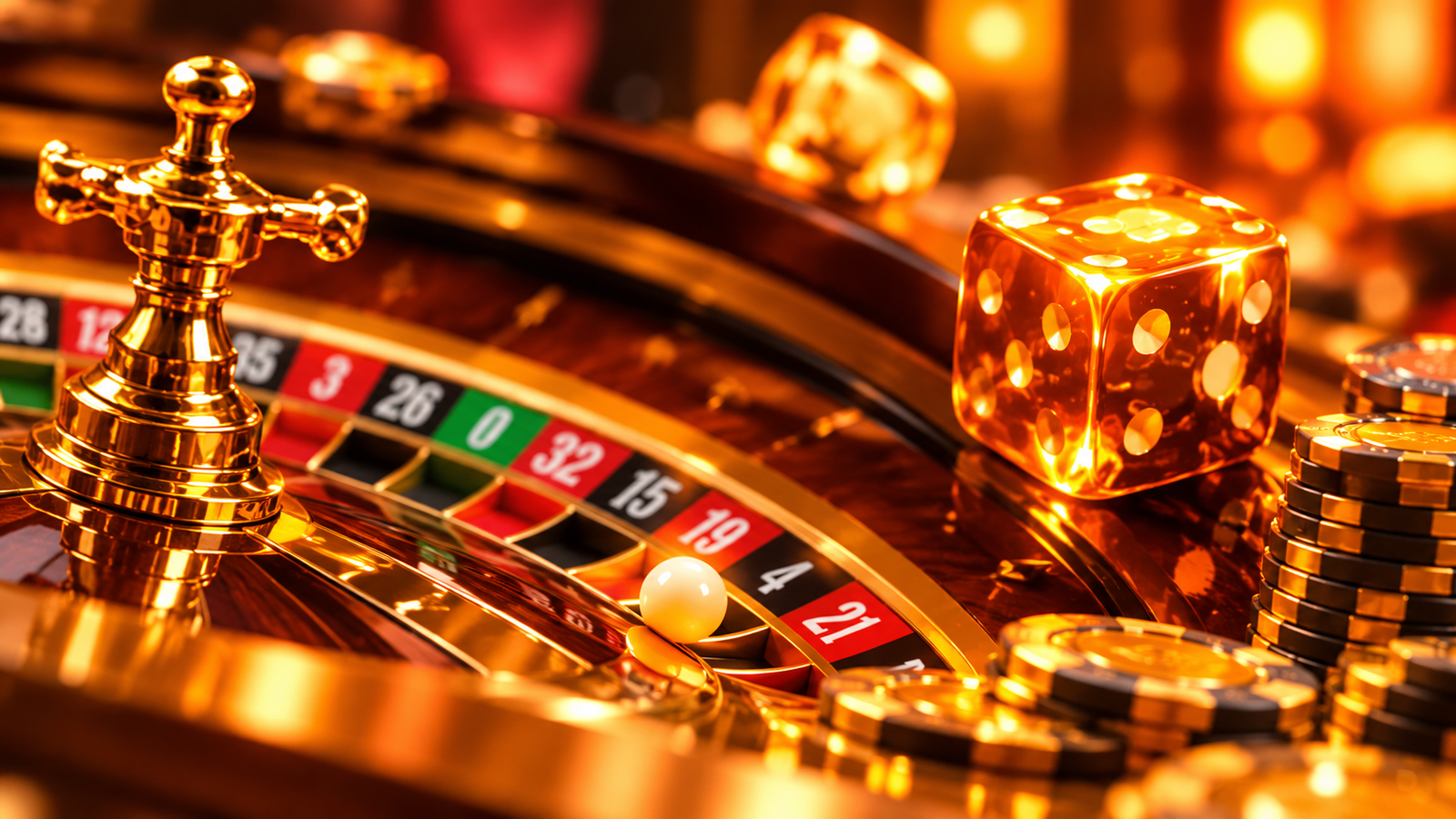
The classic European wheel serves as the global standard for fair gaming. It features thirty-seven pockets, comprising eighteen red numbers, eighteen black numbers, and a single green zero pocket. Payouts are calculated as if the wheel contains thirty-six numbers. For instance, a successful straight-up bet on a single number pays thirty-five to one plus your original stake. This deliberate discrepancy between payout ratio and actual pocket count creates the casino mathematical advantage.
To calculate the exact house edge on a single-zero wheel, we examine the expected value of a one-euro straight-up bet. You have a one in thirty-seven chance of winning thirty-five euros in profit. Conversely, you have a thirty-six in thirty-seven chance of losing your single euro wager. Multiplying these probabilities yields an expected loss of negative 0.0270 euros. Expressed as a percentage, European roulette house edge math establishes a fixed casino advantage of exactly 2.70 percent on all standard wagers.
The casino advantage in roulette does not come from rigged mechanics; it originates entirely from the mathematical imbalance between true odds and fixed payouts.
Applying Mathematical Strategy in a Secure Environment
Grasping the mathematical differences between single-zero and double-zero wheels is critical for any player looking to optimise their long-term bankroll. However, applying this strategic knowledge requires a platform that offers favourable table rules, verified random number generators, and reliable payouts. Whether you are searching for European roulette tables with the “La Partage” rule or managing risk across other digital games, choosing a secure environment is essential. For players focused on understanding their theoretical returns, exploring highly rated australian real money casino sites through bestaustraliancasites provides a useful starting point for comparing licensed operators and their gaming conditions. Best Australian Casino Sites also highlights the importance of checking roulette variants, house edges, and independently tested software before registering. By combining a mathematically informed approach to the house edge with careful platform selection, players can better protect their entertainment budgets while enjoying a reliable gaming experience.
Double Trouble: How the American Wheel Doubles Your Cost
American roulette introduces a second green compartment, marked as double zero, expanding the wheel to thirty-eight pockets. While this extra pocket might seem harmless to casual players, it drastically degrades player returns. The true odds of hitting a straight-up number lengthen from one in thirty-seven to one in thirty-eight. Nevertheless, casinos maintain the identical thirty-five to one payout ratio.
The math reveals the severe cost of that second zero compartment. A player holding a single-number wager retains a one in thirty-eight chance of winning thirty-five euros. However, the probability of losing jumps to thirty-seven in thirty-eight. Calculating expected value produces an average loss of negative 0.0526 euros per euro staked. Consequently, the house edge surges to 5.26 percent across nearly every bet. In practice, playing on an American wheel drains your bankroll twice as fast as playing on a European wheel. Furthermore, American layouts include the five-number basket bet, which carries an exorbitant 7.89 percent house edge.
Consider a practical scenario featuring two players, Julian and Sophie, each starting with a five-hundred-euro bankroll. Both players wager ten euros per spin on outside propositions across two hundred spins. Julian chooses a single-zero European table, exposing two thousand euros in total wagering volume. Julian faces an expected loss of fifty-four euros. Meanwhile, Sophie sits at an American wheel in the same room. Facing a 5.26 percent edge on identical volume, Sophie suffers an expected loss of one hundred and five euros. Sophie pays nearly double Julian’s cost simply for selecting the wrong table variant.
French Tables and Advanced Roulette House Edge Math
French roulette uses the thirty-seven pocket European wheel, but adds two player-friendly rules: La Partage and En Prison. These rules apply exclusively to even-money outside bets, including red or black, odd or even, and high or low. Under the La Partage rule, when the ball lands on zero, the house does not confiscate your entire outside wager. Instead, the dealer immediately refunds fifty percent of your stake and takes the remainder.
This fifty-percent refund cuts the mathematical edge directly in half for all even-money outside wagers. When zero hits on an even-money bet, you lose half a unit rather than a full unit. Calculating expected return demonstrates that the house edge drops from 2.70 percent down to precisely 1.35 percent. Consequently, French tables offering La Partage provide some of the most favorable odds on the casino floor.
A related convention, En Prison, operates under a similar mathematical philosophy. Rather than receiving an immediate refund, your even-money bet is held in custody for the subsequent spin. If your selection wins on the following round, you recover your full original stake. If the bet loses on that second spin, the casino takes the chips. Mathematically, En Prison yields an edge of approximately 1.35 percent, offering another exceptional option for defensive players.
To see how these wheel variants compare across key statistical dimensions, examine the mathematical breakdown below:
-
American Roulette: 38 pockets, standard house edge of 5.26 percent, five-number bet edge of 7.89 percent.
-
European Roulette: 37 pockets, standard house edge of 2.70 percent across all available betting positions.
-
French Roulette with La Partage: 37 pockets, house edge of 1.35 percent on even-money bets, 2.70 percent on inside wagers.
Therefore, disciplined players who favor outside propositions should always prioritize French tables whenever they are accessible online or offline.
Actionable Takeaways for Maximizing Roulette Bankroll Efficiency
Applying mathematical understanding directly to table play preserves your capital and maximizes your entertainment longevity. Implement these practical guidelines during your next casino session:
-
Avoid American double-zero wheels when European or French single-zero tables are available in the casino lobby.
-
Stick to even-money outside wagers on French tables to capture the reduced 1.35 percent house advantage.
-
Completely avoid the five-number basket bet on American layouts, which carries the worst odds in roulette.
-
Calculate your expected session cost in advance by multiplying your planned betting volume by the table house edge.
By consistently selecting the best available rules, you minimize the built-in casino tax on your entertainment balance.
Making Math Work for You at the Tables
While no betting system can overcome the fundamental mathematics of the roulette wheel, game selection remains within your control. Mastering roulette house edge math empowers you to spot favorable conditions and reject predatory table layouts effortlessly. Choosing a single-zero wheel over a double-zero variant instantly halves your expected loss per spin. Seeking out French tables with La Partage provides an even greater buffer against statistical erosion.
Roulette is a game of negative expectation designed for recreational entertainment. By respecting probability distributions and maintaining strict session stop-loss limits, you safeguard your bankroll. Smart table selection ensures you receive the maximum possible playing time for every euro you wager.


